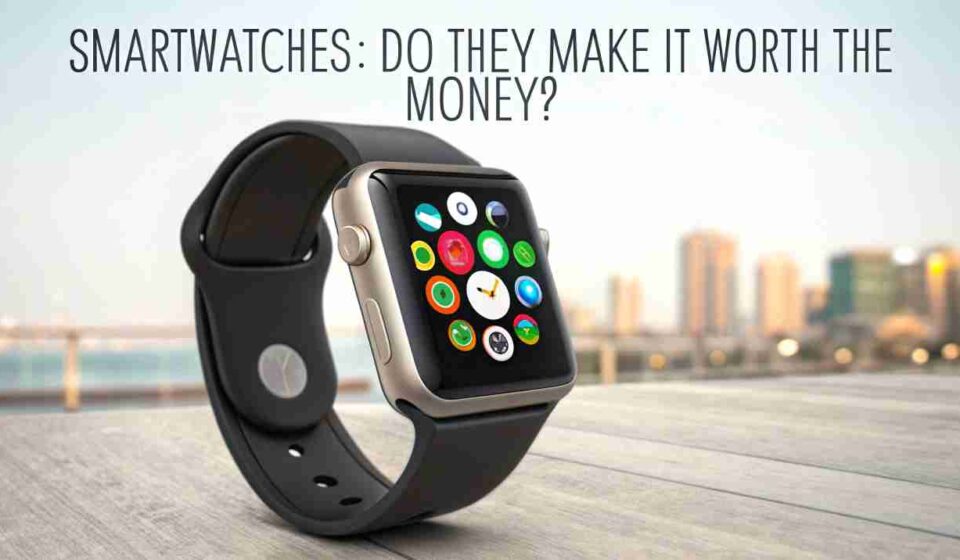

A watch was designed to perform only one task, that is, to tell time. Next was the smartwatch – and your wrist was, in a word, a small computer, fitness tracker, health monitor and a communication centre all in one small device, attached to your arm. However, at a cost of about 100 and well up to 800 on the higher-end models, the question lingers: is it worth investing in smartwatches? The sincere answer is all about how you live and what you need, in fact.
Smartwatches, in their essence, integrate with your smartphone and place some important information on your wrist. Notifications, calls, texts, emails – you can read them within seconds without stumbling in pockets or bags to grab your phone. That may sound easy, but it comes in surprisingly handy. How much time have you spent interrupting a conversation, dinner, or a workout to reach out in search of your phone only to realize it was a meaningless notification? And a glance at your wrist takes care of that, and you pass.
Health Tracking: The Game-Changing Feature.
Health and fitness tracking is the actual selling feature of most smartwatch customers, and modern smartwatches play a phenomenally impressive role in that area. They are able to check your heart rate throughout the day, not just during exercise. They keep a record of your steps, the number of calories spent, the number of minutes spent running or walking, and the number of active minutes. Most of the models currently check blood oxygen levels and can determine abnormal heartbeats, which may indicate some conditions such as atrial fibrillation.
It is not a trifle. Apple Watch has also literally saved lives by informing its users that they had a heart condition that they were not aware of. Individuals who had never had any symptoms were alerted by their watch to see a doctor, and physicians confirmed severe illnesses that could be treated. That is in itself a strong argument in favor of smartwatches being more than a device.
Another trendy and useful feature is sleep tracking. The act of wearing your watch to sleep allows your watch to examine your sleeping patterns in terms of how much time you spend in light sleep, deep sleep and REM sleep. With time, there are trends that can be used to understand why you wake up feeling groggy on some mornings and refreshed on other mornings. Certain watches also track any signs of stress by tracking your skin conductance sensors, which will alert you to any signs of increased stress in your body so you can take a moment and relax.
In-built GPS is significant to fitness enthusiasts. With no phone, runners and cyclists are able to map routes, monitor pace, and analyze performance data. Numerous watches allow you to keep music on the device and listen to it with Bluetooth earbuds and not use your phone at all on a workout.
The Strauss and Strains of Honest Trade-Offs You Need to Know Before You Buy.
Smartwatches do not work without flaws, and it is important to be realistic about their shortcomings before you part with your money. The most popular complaint is battery life. The majority of smartwatches require charging once a day or once every two days, based on the intensity of your utilization of features such as GPS and those that have always-on displays. This change can be irritating to individuals who are accustomed to months or years of wearing a classic watch without ever having to touch a charger.
Alerts might also be overwhelming. Being buzzed on your wrist every time you get an email, news, and even social media updates can be more of a distraction than a relief. The majority of users get used to personalizing what notifications are received, and this personalization is a significant difference in everyday life.
It is also worth noting that smartwatch health sensors are not medical-grade devices. They are a great way to recognize trends and create awareness, but should not replace professional medical testing and evaluation. They should be utilized as an aid rather than a diagnosis.
A smartwatch can easily justify its price in case you are an active, health-conscious, and often-on-the-go individual. A simple watch could be better and potentially last longer between charges when you primarily sit at the desk and are less interested in the data it can provide about your fitness. Know what is important to you, align it with your life and you will make the right decision.